What to Expect During an Asphalt Shingle Roof Installation
People searching for asphalt shingle roof installation are usually looking to understand the process and how local contractors can efficiently handle the job.
If you’re considering an asphalt shingle roof installation, understanding what to expect during the process can help ease any concerns and ensure you’re well-informed. Property owners in the area often explore this topic to better prepare for the work involved, whether they’re replacing an aging roof or upgrading for improved durability. Knowing the typical steps and what happens at each stage can make the experience more transparent and manageable, especially when coordinating with local contractors who specialize in asphalt shingle roofing.
Local service providers are experienced in guiding property owners through the installation process, making it easier to plan around the work and understand the practical aspects involved. From initial assessments to the final touches, these professionals handle the details that ensure a smooth and efficient installation. Keep reading to learn more about the common stages of an asphalt shingle roof installation and how trusted local contractors can support each step to help protect your property’s value and appearance.
- Asphalt shingle roof installation - homeowners planning to upgrade or replace an aging roof can rely on local contractors to handle the process efficiently.
- New roof installation - those building a new home or addition can expect service providers to manage all aspects of installing asphalt shingles.
- Roof replacement - property owners needing to remove and replace an existing roof can expect local pros to ensure proper removal and installation procedures.
- Roof repair and patching - individuals with damaged or leaking shingles can find service providers experienced in repairing and restoring asphalt roofs.
- Storm damage roof work - after severe weather, local contractors can assess and replace damaged asphalt shingles as part of the restoration process.
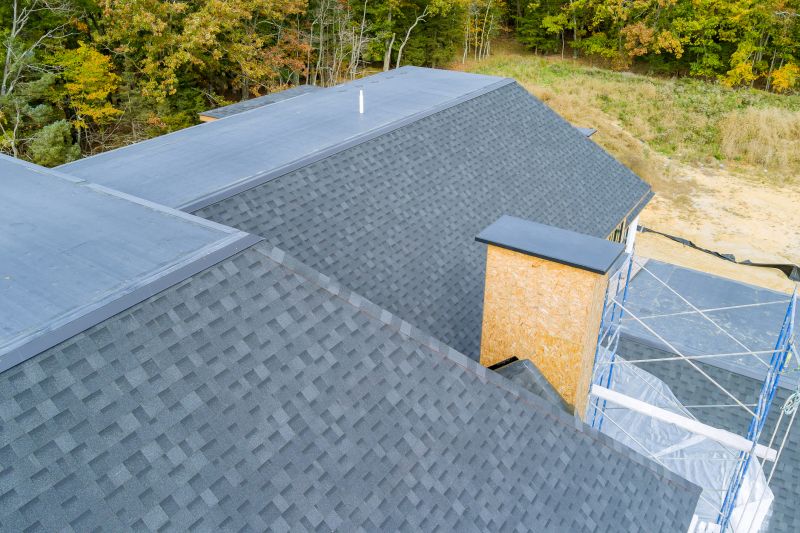
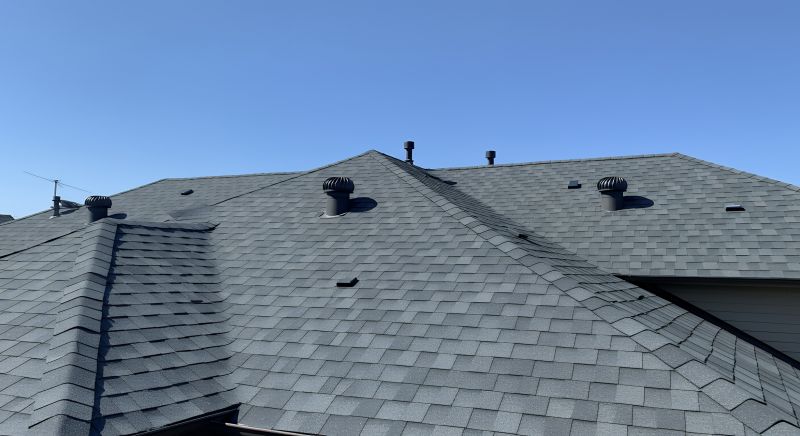

When homeowners search for what to expect during an asphalt shingle roof installation, they are often looking for a clear understanding of the process involved in replacing or installing a new roof with asphalt shingles. This topic is relevant for those planning a roof upgrade, repair, or replacement due to age, damage, or the desire to improve curb appeal. Homeowners want to know how the work will be carried out, how long it might take, and what kinds of disruptions or preparations are involved. Understanding these details helps them coordinate with local contractors and ensures they are prepared for the different stages of the project.
This process is typically associated with addressing problems such as leaks, storm damage, or general wear and tear, which can compromise the roof’s integrity. It also relates to property improvement plans where a homeowner might want to upgrade their roofing material for better durability or aesthetic appeal. The installation process is a significant part of maintaining or increasing the value of residential properties, especially for homes with asphalt shingle roofs that are common in many neighborhoods. Homeowners often seek guidance on what to expect during the installation to ensure the project aligns with their expectations and to facilitate smooth communication with local service providers.
The types of properties involved in asphalt shingle roof installations usually include single-family homes, townhouses, and small multi-family buildings. These properties tend to have pitched roofs that are suitable for asphalt shingles, which are known for their affordability, ease of installation, and variety of styles. The size and complexity of the roof can influence the installation process, with larger or more intricate roof designs requiring more planning and coordination. Homeowners should understand that local contractors have experience working on similar properties and can adapt their approach based on the specific features and conditions of each roof.
During an asphalt shingle roof installation, homeowners can generally expect a series of stages, including preparation, removal of the old roof, and the actual installation of new shingles. The process often involves inspecting the existing roof structure, protecting the property with tarps or barriers, and ensuring proper ventilation and drainage. Local pros are skilled at managing these steps efficiently to minimize disruptions and ensure the new roof is installed correctly. Homeowners should be aware that the installation may involve some noise, debris, and temporary restrictions on access to certain parts of the property, but these are part of the normal process. Clear communication with local contractors can help homeowners understand what to anticipate during each phase of the project.
Roof Repair Projects - these projects require similar skills in assessing roof conditions, working at heights, and handling roofing materials as during asphalt shingle roof installation.
Gutter Installation and Repair - installing and repairing gutters involves planning and tools common to roofing projects, making it a related service for roof installation tasks.
Attic Insulation Services - proper attic insulation complements roof installation efforts and involves similar planning and understanding of roofing structures.
Flashing and Ventilation Work - installing or repairing flashing and ventilation systems requires knowledge of roof components, aligning with the skills needed for asphalt shingle installation.
Roof Replacement Projects - removing old roofing materials and installing new layers shares techniques and tools with asphalt shingle roof installation, often performed by the same local contractors.
Skylight Installation Services - installing skylights involves working on the roof surface and integrating new elements, similar to the work done during asphalt shingle installation.

When comparing local contractors for asphalt shingle roof installation services, it’s important to consider their experience with similar projects. Homeowners should look for service providers who have a history of successfully completing roof installations that match the scope and style of their own project. A contractor with relevant experience is more likely to understand the nuances of asphalt shingle installation, including proper layering, ventilation considerations, and weather-related challenges. This familiarity can help ensure the process proceeds smoothly and that the final result meets expectations for durability and appearance.
Clear, written expectations are a key factor when evaluating potential service providers. Reputable contractors should be able to provide detailed estimates that outline the scope of work, materials to be used, and the steps involved in the installation process. Having this information in writing helps prevent misunderstandings and provides a reference point throughout the project. Homeowners should also inquire about how the contractor plans to handle common issues that can arise during installation, such as weather delays or material shortages, to ensure transparency and preparedness.
Good communication and reputable references are essential when selecting a local contractor for asphalt shingle roof installation. Service providers who are responsive to questions and provide straightforward answers demonstrate professionalism and a commitment to customer service. Additionally, asking for references or reviews from previous clients can offer insight into the contractor’s reliability, quality of work, and ability to adhere to deadlines. This information can help homeowners feel more confident in their choice, knowing that the contractor has a track record of satisfied clients and clear communication throughout the project.
Property owners often search for what to expect during an asphalt shingle roof installation when they are planning practical projects around their homes and businesses. Local pros provide Asphalt Shingle Roof Installation services for everyday jobs and straightforward project options.
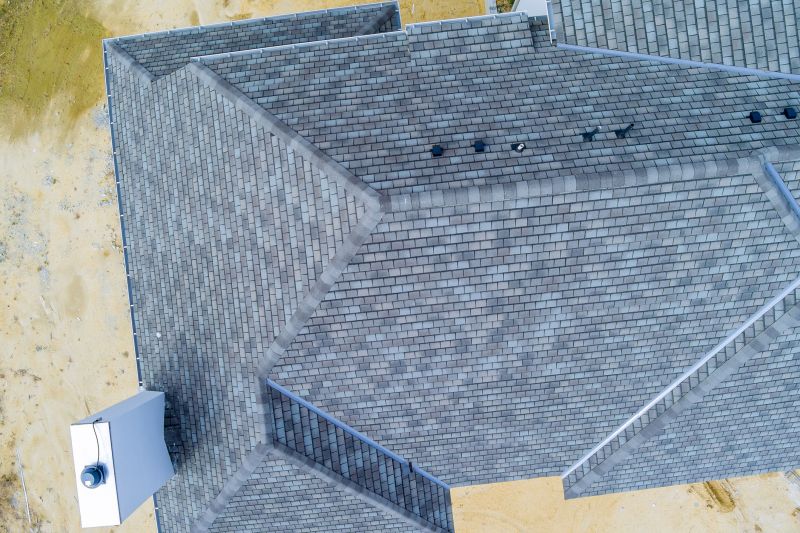
During an asphalt shingle roof installation, property owners can expect a series of typical activities that help ensure the project progresses smoothly. Local contractors usually start by preparing the work area, which may involve removing the existing roofing materials and inspecting the roof deck for any necessary repairs. This process can create some noise and debris, so homeowners should be prepared for a temporary increase in activity around their property. Once the area is ready, the new asphalt shingles are carefully installed, often beginning at the edges and working upward, ensuring proper alignment and secure fastening. Throughout the installation, property owners might notice workers moving equipment and materials, which is a normal part of the process to ensure the new roof is installed correctly and efficiently.
Understanding what to expect during an asphalt shingle roof installation can help property owners feel more comfortable with the process. Local service providers generally work to keep the work area organized and minimize disruptions, but some noise, dust, and activity are typical during the project. It’s also common for contractors to perform a final inspection once the shingles are installed, making sure everything is properly aligned and secured. Homeowners might also see crews cleaning up the site after completion, leaving the property looking neat and ready for regular use. Considering these typical project situations, property owners can better prepare for the installation and feel confident in choosing local contractors to handle the work professionally.
What should I expect during an asphalt shingle roof installation? During the installation, local contractors typically prepare the work area, remove old roofing materials if necessary, and carefully install new asphalt shingles following industry standards. They may also inspect and reinforce the roof deck to ensure proper support for the new shingles.
Will there be noise or disruption during the roof installation? Yes, asphalt shingle roof installation involves activities like hammering and material handling, which can create noise and some disruption. Local service providers usually work to minimize inconvenience and may schedule work during appropriate hours.
How do contractors ensure the roof is properly ventilated during installation? Local pros often assess existing ventilation systems and may install or upgrade vents as part of the process to ensure proper airflow, which helps extend the roof’s lifespan and improve energy efficiency.
What kind of safety precautions are taken during asphalt shingle roof installation? Contractors typically implement safety measures such as using harnesses, securing ladders, and wearing protective gear to ensure safety during the work process. They also follow best practices to prevent accidents on the job site.
What happens after the asphalt shingle roof installation is complete? Once installation is finished, local service providers usually clean up the work area, remove debris, and perform a final inspection to confirm the new roof is installed correctly and ready for use.
Preparation Process - Property owners can expect local contractors to prepare the work area by removing debris and protecting landscaping, ensuring a smooth installation process.
Material Delivery - During the installation, shingles and supplies are delivered and organized on-site, which helps keep the project on track.
Installation Steps - Local service providers follow a sequence of removing old roofing material, inspecting the roof deck, and carefully installing new shingles for durability.
Final Inspection - Once installation is complete, a thorough check ensures everything is properly secured and aligned, giving property owners confidence in the new roof.
If you are thinking about what to expect during an asphalt shingle roof installation for a property, this guide is meant to help you understand this topic, the typical project types, and how different options might fit your plans.
When you are ready, you can use the quote form on this page to share a few details about your project. From there, local pros can review the basics and follow up with options that match what you have in mind.